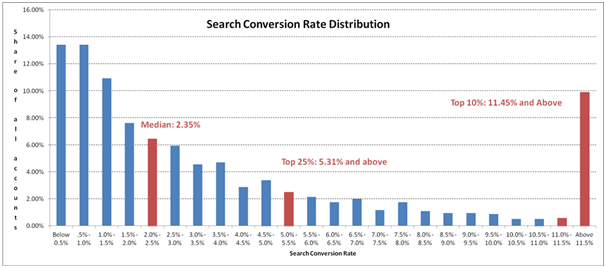
When it comes to a website, every owner desires just one thing; and that's its conversion rate. A good conversion rate indicates that the website is well-designed for users. It also means that the users are able to access your products and services easily. So, the higher the conversion rate, the better for your website!
Besides marketing practices, UX design is an efficient way to maximize the conversion rate. This means if your website is modified as per the user experience, they are likely to take action and convert. So, let's see how you can employ UX design for conversion rate:
Importance of UX in a website
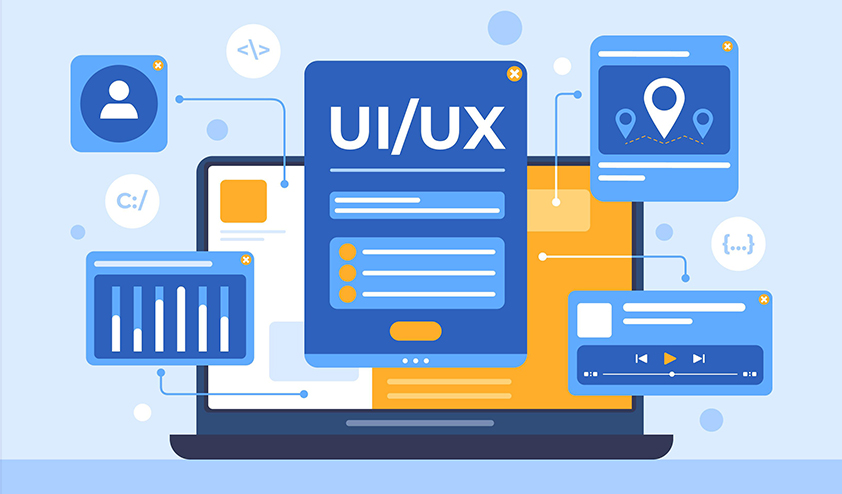
UX design ensures that the website is crafted in a way that fulfils the user's requirements. Understand it this way; whenever you visit a website, you tend to stay if it offers you a good experience, right? You remember all the positives, and if things go well, you eventually make a purchase. That's all possible through a good UX web design! It ensures maximum feasibility for the users to improve customer acquisition and maintain their retention Additionally, it also increases the user engagement and productivity of a website.
4 Ways to improve your conversion rate through UX design
As per the data, good UX designs could increase the conversion rate up to 400%. So, you are likely to see a great response after UX design customization. If you already have the UX-friendly components on the website, modify it to make it better. However, if you don't, then add the following:
#1 Call to actions
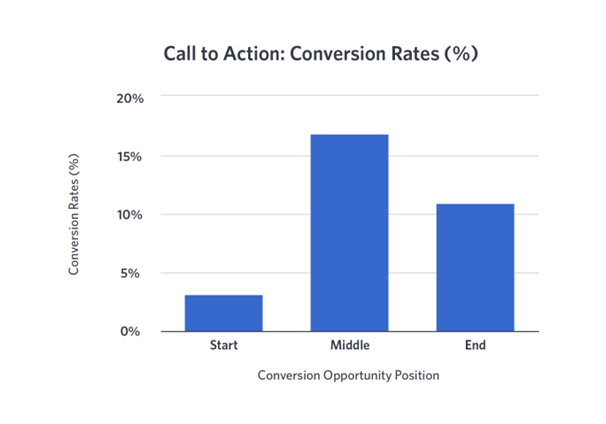
Whenever any service or product interests your users, they look for a call to action (CTA) button. You can consider it as a ticket to conversion. CTA's are website elements that direct any user towards taking action. Hence, the name! You must have seen links or texts with "click here" written on them. That's an example of a call to action.
On clicking the CTA, users could reach the application download links, form fill-ups, bookings, and so on. If CTAs are placed at the right place and at the right time, they can instantly increase the conversion rate. That's because if a customer decides to take any action, they should instantly get the opportunity to do the same. Also, try to use CTAs as anchor texts in blogs. That way, it can increase the conversion rate 121% more than banner ads.
#2 Good website speed
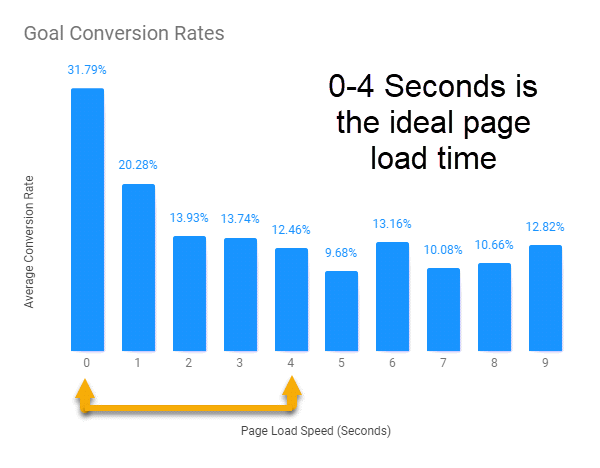
One of the most annoying encounters of a user includes slow website speed. And why shouldn't it be? keep yourself at the user's end and think. How frustrating would it be if you need something urgently and the website keeps loading for eternity? Ofcourse, you will leave and switch to a website that offers a better experience.
Besides, you may not even return back again! Instead of conversion, slow speeds are likely to increase the bounce rates, which nobody needs. In fact, pages that take 5 seconds to load have a bounce rate of 38% as compared to 9% for 2 second load times.
To prevent such a situation, it's important to optimize the speed of your website. You can do so by implementing some quick fixes. Make sure both the PC and mobile version of your page is running swiftly. This will encourage the visitors to stay through long. Also, ensure that the landing page is running smoothly.
#3 Crisp and engaging content
Website content can either make or break a website! When a user enters your website, they come to gain information. They expect to relish an engaging experience from the website. Besides, they also need to know about your business goals, aims, and reliability. Cut too short; all this is possible by developing crisp and understandable content. In fact, content marketing adaptors have six times higher conversion rates than non-adaptors. So, do not take it lightly!
Make sure to create content from the user's perspective. Think about the written details they would want to know and present the same. This could be related to the product, services, or the company/brand.
Also, focus on your visual content. Ensure that the images are authentic and not something from the stock. Visitors tend to stay when they get a realistic feel from the website pages. This further assures them that you don't just say but also deliver high-quality services. Besides, it also boosts eCommerce sales.
#4 Easy navigation
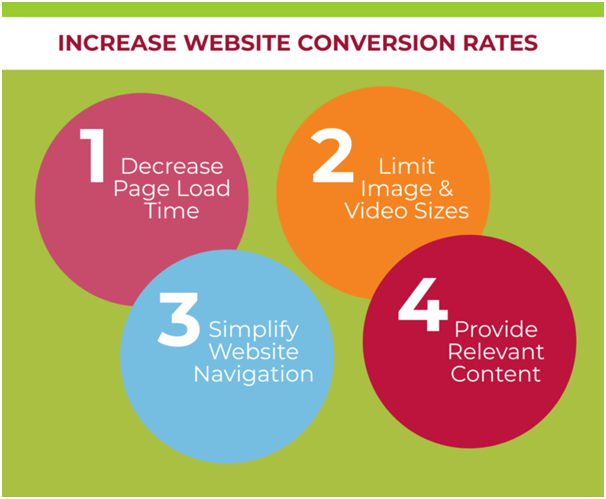
If a user is able to easily navigate through your website, they are likely to stay and convert. Easy navigation means users are able to smoothly look through resources. It also ensures that they are redirected to the pages that they want to browse through. Therefore, the more you make it easier for them, the better your website conversion rate.
Try to maintain good navigation by avoiding clutter towards the website top. Make sure that the relevant areas feature CTAs and come up with appropriate navigation titles. Also, look for the relevant navigation elements and turn them into redirect links. This will help the users to reach the desired page easily. You should also work on navigation consistency, alt texts, search features, and crisp categorization for better results.
Conclusion
That's it! Follow these tactics, and we are sure your website conversion rates would take a toll!