In recent years, the rapid advancement of technology and the ever-changing landscape of digital platforms have prompted questions about the future of web design as a career. Some may argue that with the rise of AI-driven design tools and the shift towards app development, web design is becoming obsolete. However, a closer examination reveals that web design is far from a dying career; instead, it is evolving and adapting to meet the demands of the modern digital age.
The shifting landscape
Although AI-powered design tools have become more popular, they still cannot replace human creativity and understanding. Although these technologies are designed to help designers by expediting some procedures, they lack the creativity and original viewpoints that human designers bring to the table. Additionally, the prevalence of mobile devices and demands for flexible design have given web designers additional directions to research.
User-centric design
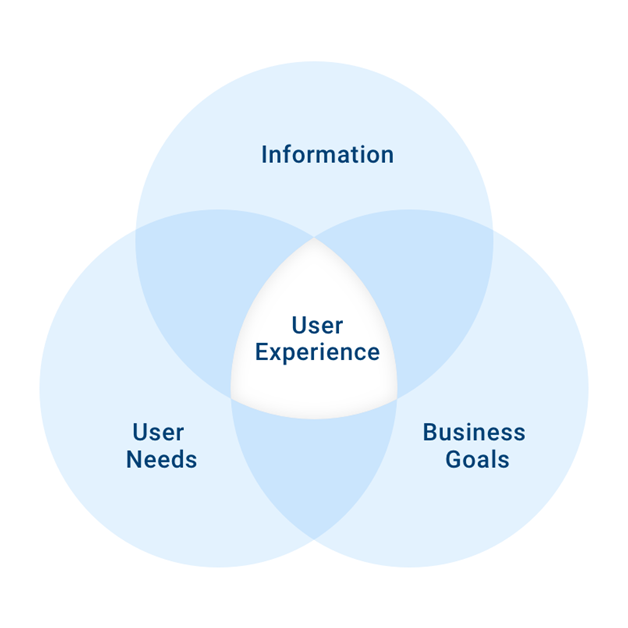
In the digital sphere, user experience (UX) has assumed a central role in 2023. Users today expect websites and applications to deliver seamless and understandable user experiences across a variety of devices. The significance of web designers who specialize in creating user-centric designs has increased as a result of this change. The ability to comprehend user behavior, psychology, and interaction patterns is a talent that AI cannot fully mimic.
Cross-platform compatibility
Web designers must create designs that function flawlessly in a variety of settings due to the growing diversity of devices and platforms. Web designers are crucial in maintaining cross-platform compatibility since this necessitates a thorough grasp of multiple coding languages, frameworks, and design ideas.
Visual storytelling
In a time of information overload, the capacity to effectively communicate ideas via images is now essential. Web designers are skilled in creating compelling narratives with the use of color, typography, photography, and layout. This talent is especially important for firms trying to stand out in a crowded digital space and keep customers' attention.
Constant evolution
Web design will constantly be evolving because of the very nature of technology. As new gadgets, interaction techniques, and design fads appear, it will be necessary to continually adapt and innovate. Staying current and embracing change can help web designers succeed in this competitive industry.
Adapting to emerging technologies

Web design's capacity to adapt to emerging technologies is one of the main factors influencing its continued success. Web designers need to include components from emerging technologies like virtual reality (VR), augmented reality (AR), and voice interfaces in their designs as they gain popularity. Web designers are in a unique position to lead the way in incorporating cutting-edge developments into the digital sphere because of their capacity to adapt, which not only maintains the sector current.
e-Commerce and online presence
The need of having a good internet presence for businesses was further highlighted by the global epidemic. Many businesses now rely on their e-commerce websites to stay afloat, highlighting the importance of having a platform that is well-designed and easy to use. Web designers are essential in developing e-commerce experiences that boost sales and foster brand loyalty by fostering frictionless interactions and aesthetically pleasing user interfaces.
Collaboration and communication
Web designers are skilled communicators and collaborators in addition to being creative folks. They serve as a link between clients, programmers, and other stakeholders, ensuring that design concepts are correctly converted into websites that perform. They are essential team members in every digital project because of their capacity to comprehend customer demands and effectively convey design options.
Personalization and human touch
Despite AI's capacity for data analysis, web designers have something that AI lacks fundamentally: the human touch. Design decisions are frequently influenced by aesthetic preferences, cultural quirks, and emotional ties. Websites may be given a feeling of authenticity and individuality by web designers, resonating with people personally and resulting in memorable online experiences that encourage engagement and loyalty.
Continuous learning and growth

Web designers are aware that maintaining relevance necessitates a dedication to ongoing learning. The industry needs ongoing research into cutting-edge design trends, coding languages, accessibility guidelines, and user behavior insights. In addition to keeping designers updated, this quest for knowledge gives them the freedom to push limits and improve the caliber of their work.
Conclusion
In a landscape that constantly evolves, web design has not only survived but thrived by embracing change and innovation. Rather than a dying career, web design has transformed into a dynamic and indispensable profession. Its ability to adapt to technological advancements, its focus on user-centric experiences, and its role in enhancing online presence all contribute to its enduring relevance. As long as there are digital interfaces to be created, optimized, and made engaging, the role of the web designer will remain vital in shaping the online world we interact with on a daily basis.