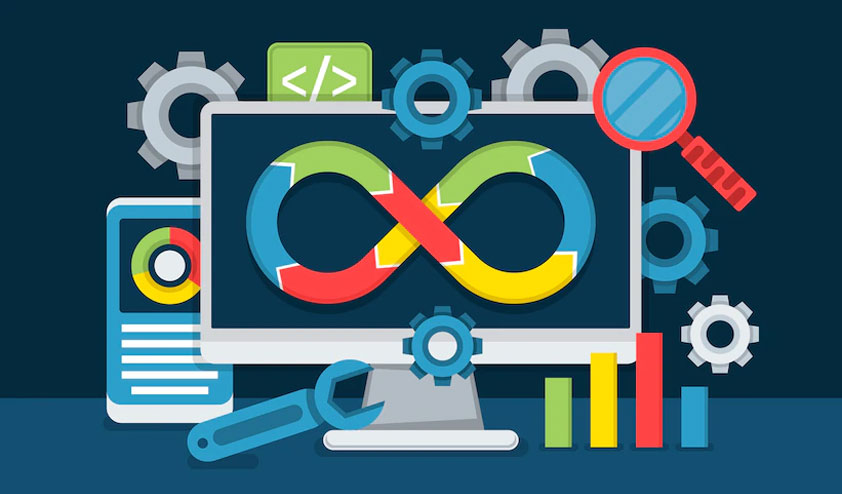
DevOps tools blur the thin lining between the development and operations of any software. The development and operation teams work together to speed up the software development processes. DevOps tools have been trending for the past few years as it is fast, allows modifications, and has transparency.
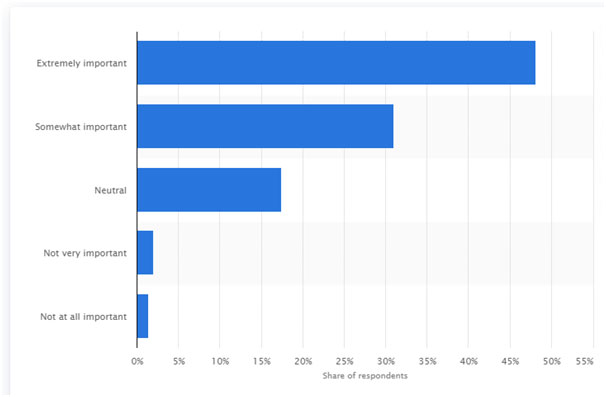
Luckily, the DevOps tools help make this whole process faster, pick up errors and modify them. So, if you're into the software development process, you must check out the best DevOps tools for 2022. Here is a list!
#1 Jenkins
The DevOps tool developed by Kohsuke Kawaguchi in 2011 is still running and very popular among techies. Its open-source continuous integration tools can integrate code and changes into a central repository.
In addition, it checks the code for any error automatically. With more than 52% of global companies adopting DevOps, companies like IBM, Accenture, and Deloitte use Jenkins for automation testing. The attributes which make it popular are its user-friendliness and multiple language support.
#2 Kubernetes
Kubernetes uses containers to manage and scale the applications, and it is an open-source platform. It was launched by Google in 2014 and is one of the top DevOps tools. However, apart from the best web development frameworks, the DevOps require some unique qualities in DevOps tools.
Kubernetes is best for handling large amounts of traffic and new applications. Also, there is Horizontal Pod Autoscaler, Node Autoscaling, service discovery and cluster federation in Kubernetes.
#3 Git
The mind-blowing fact is that out of all companies associated with DevOps, 63% release new software more frequently. Such a DevOps tool is Git, allowing for a faster release cycle. It is one of the most famous tools for open source contributors and remote teams.
There is distributed development, and workflow branches are included. It's a distributed SCM (Source Code Management) solution that helps professionals catch up with the app and web development progress. It tracks the different source code versions, and it's very helpful for remote workers.
#4 Ansible
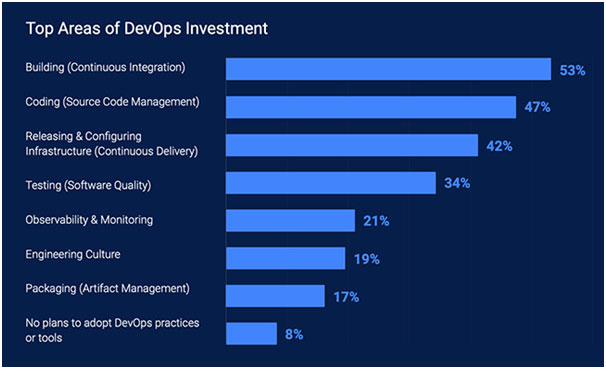
The most popular configuration management tool, Ansible, was created by Michael DeHaan in 2012. It is an entirely open-source configuration tool that provides simple ways to automate the management of the servers.
It doesn't need any software on remote machines, and it's a popular configuration management tool. It's a very simple and effective DevOps tool. It helps increase productivity; you can automate the app life cycle very easily. In addition, it's very good at testing and ruling out complications at every stage.
#5 Docker
Solomon Hykes, in 2013 came up with Docker, which is a container platform. The global DevOps market is increasing rapidly and will grow 18.3% to become a $20.31 billion property by 2028. So, that's a big deal for both businesses and developers.
So, there's a lightweight package, Docker, which distributes applications and deploy them on any server. It's quite portable, offers cross-platform, and the security is top-notch. You can access multiple images from the official publishers and communities. In addition, you can help the developers create, test the software and use collaboration.
#6 Slack
Like AI technology is changing the future of digital marketing, simply DevOps is changing software technology. Such a web tool is Slack which was launched in 2013. It breaks all the hurdles of barriers and gives a clear view of workflow. It's a communication tool for large scale multi collaborative ventures. It provides the power to developers to connect via toolchains. Also, they can relate to other maintenance and service networks in the same environment.
#7 Phantom
The security of phantom is simply robust and gives a great sense of security to the developers. It provides excellent protection starting from SDLC. Also, it has a centralised environment that simultaneously offers the alarm of threats to everyone. It uses file detonation, device quarantine, etc., for power pack security.
You can remotely perform, operate, help, supervise from any location. It helps to rule out repetitive tasks automatically and boost fast and smart work. In addition, it decreases response time with playbooks that execute at machine speed. Each part of the process is actively participating in building a defence strategy.
Bonus tips
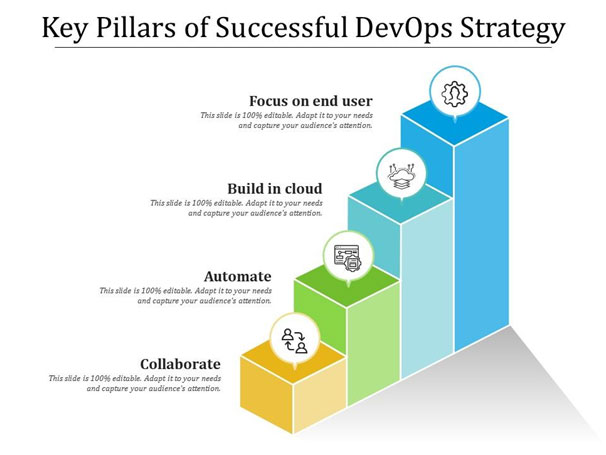
A good strategy and using good skills can create excellent software management tools. Always:
- Ensure proper stages of the DevOps pipeline. They use it to develop, test, deploy strategies. It starts from writing codes to managing pipelines, testing, fixing errors and finally deploying.
- You must focus on team management such that the pipelines are easily designed and increase the speed of progress.
- Build once the developers have given you the code. It ensures that you're performing tests on the same build.
- Software development and environment must sync such that the whole team is in the loop. So, when you backup pipelines, you should update the environment too. A developers team or firm can make the process a whole lot easier.